
Manual therapy and osteopathy
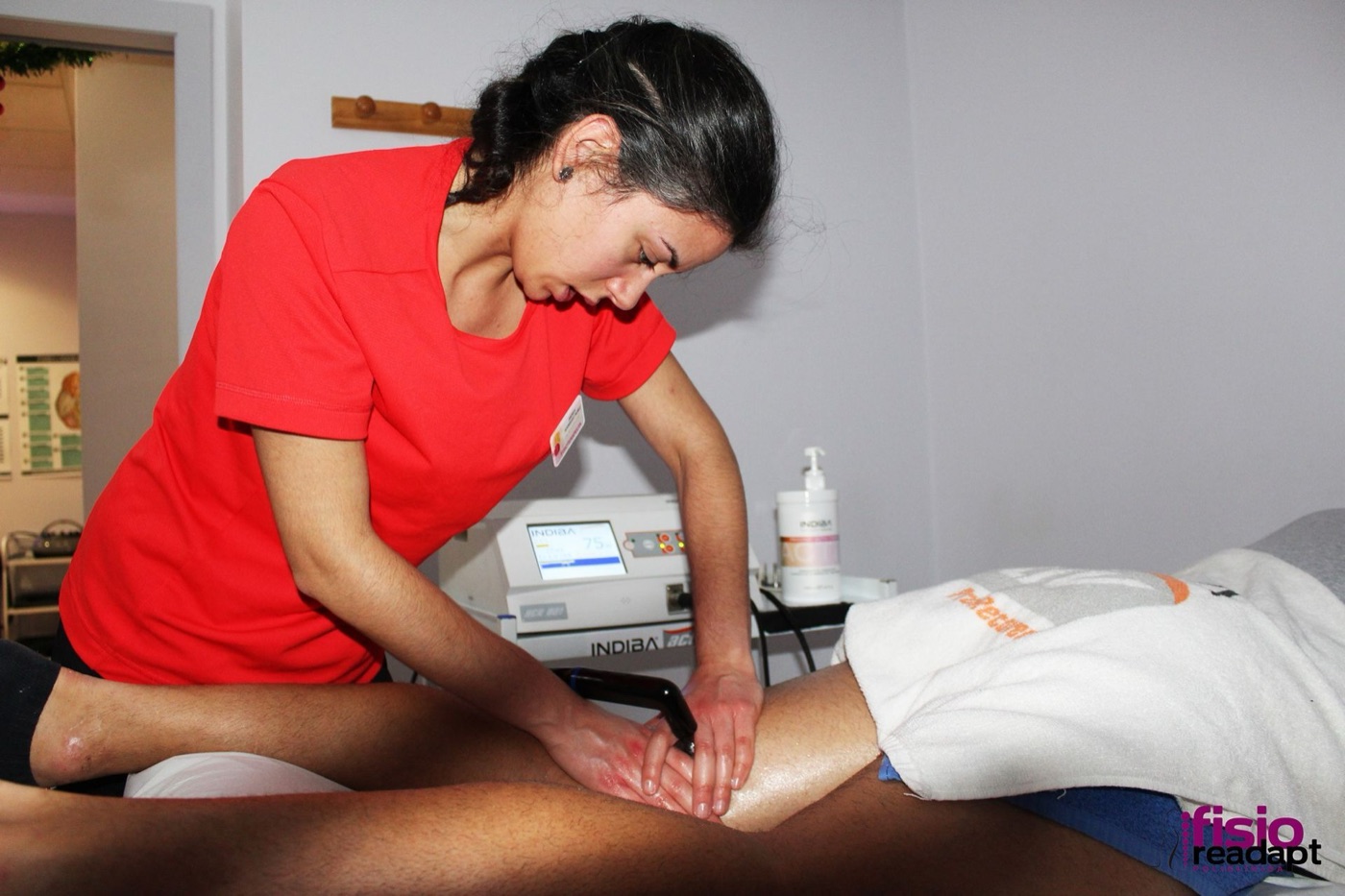
Hands-on work on joints, muscles and tissues to relieve pain and restore movement. We use it for back and neck pain, muscle injuries, sprains and recovery after surgery, almost always together with exercise.
Physiotherapy
Back pain, muscle injuries, tendinopathies, sprains, recovery after surgery… We assess, explain and treat with our hands, with exercise and with technology when it helps.
Hands-on work on joints, muscles and tissues to relieve pain and restore movement. We use it for back and neck pain, muscle injuries, sprains and recovery after surgery, almost always together with exercise.
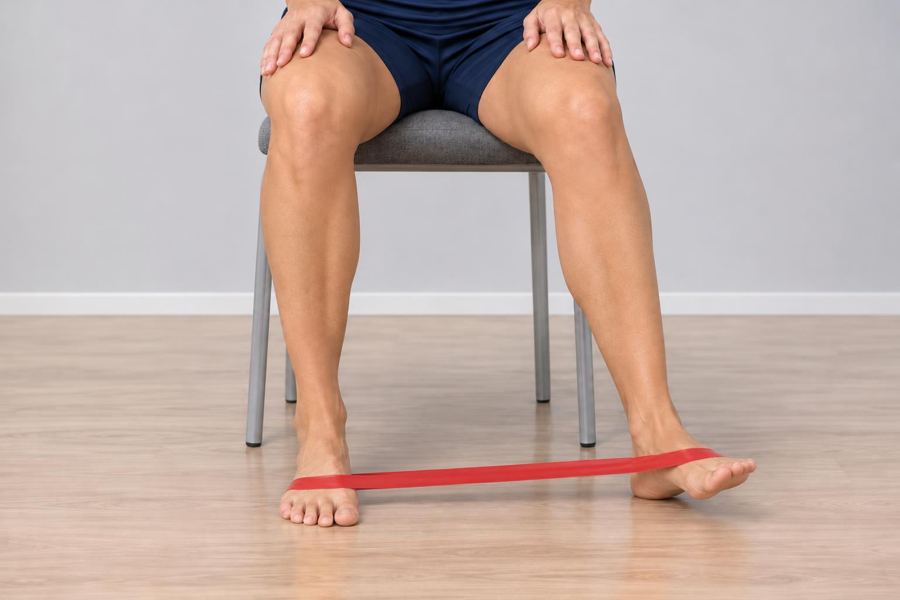
Well-chosen exercise is what helps most to stop an injury from coming back. We teach you what to do, how much and how to progress, in the clinic and at home. We also offer back school, therapeutic Pilates, hypopressive exercises and functional training.
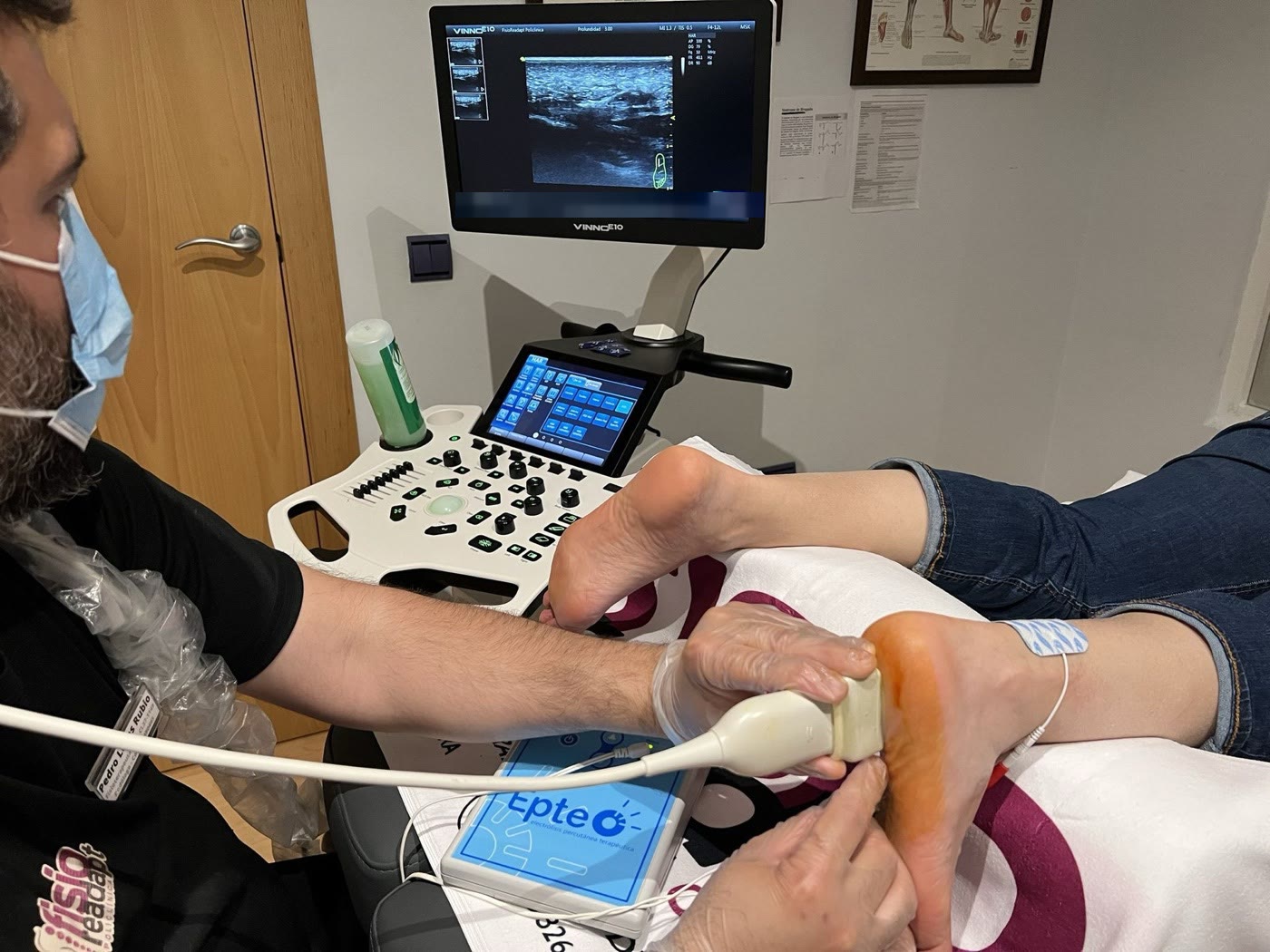
A very fine needle applies a galvanic current to the injured tissue to trigger a repair response. We use it mainly for tendinopathies and some muscle and ligament injuries, guided by ultrasound so we know exactly where we are working. It can be uncomfortable during the application and for a few hours afterwards; we explain this beforehand.
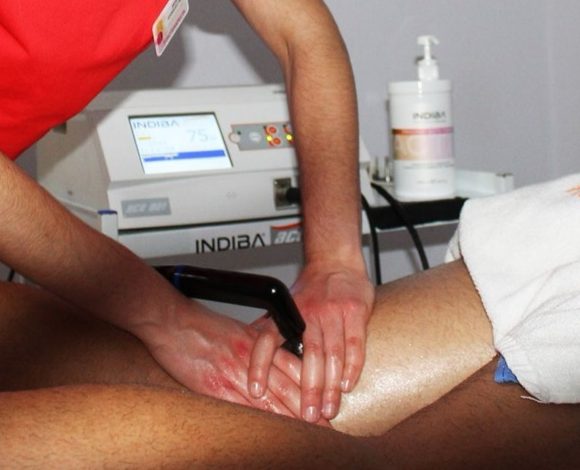
Radiofrequency currents that generate heat in deep tissues. It helps us reduce pain and stiffness and prepare the tissue for exercise, in muscle, tendon and joint injuries and in recovery after surgery.
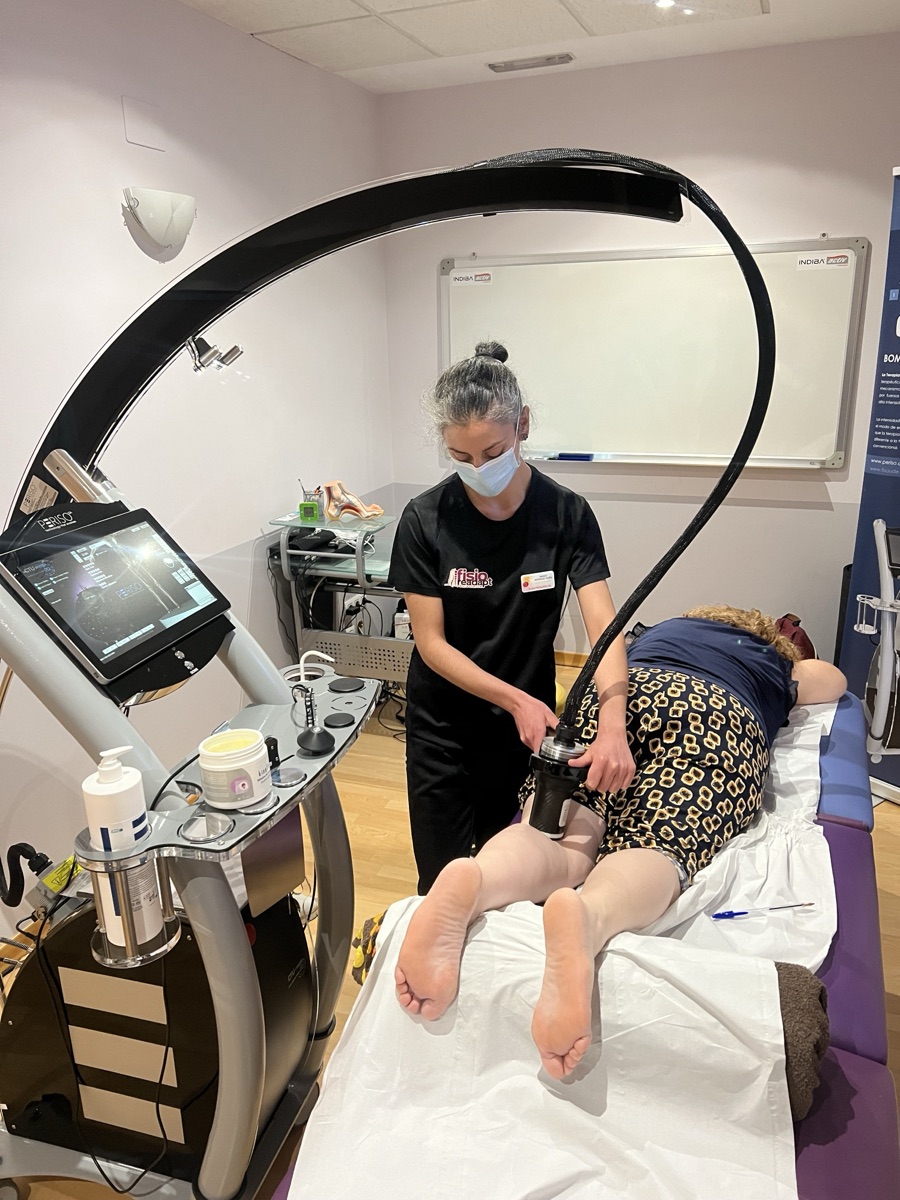
A high-intensity magnetic field that we use as a complement in some musculoskeletal injuries, for example when there is inflammation or swelling. It is painless and non-invasive.
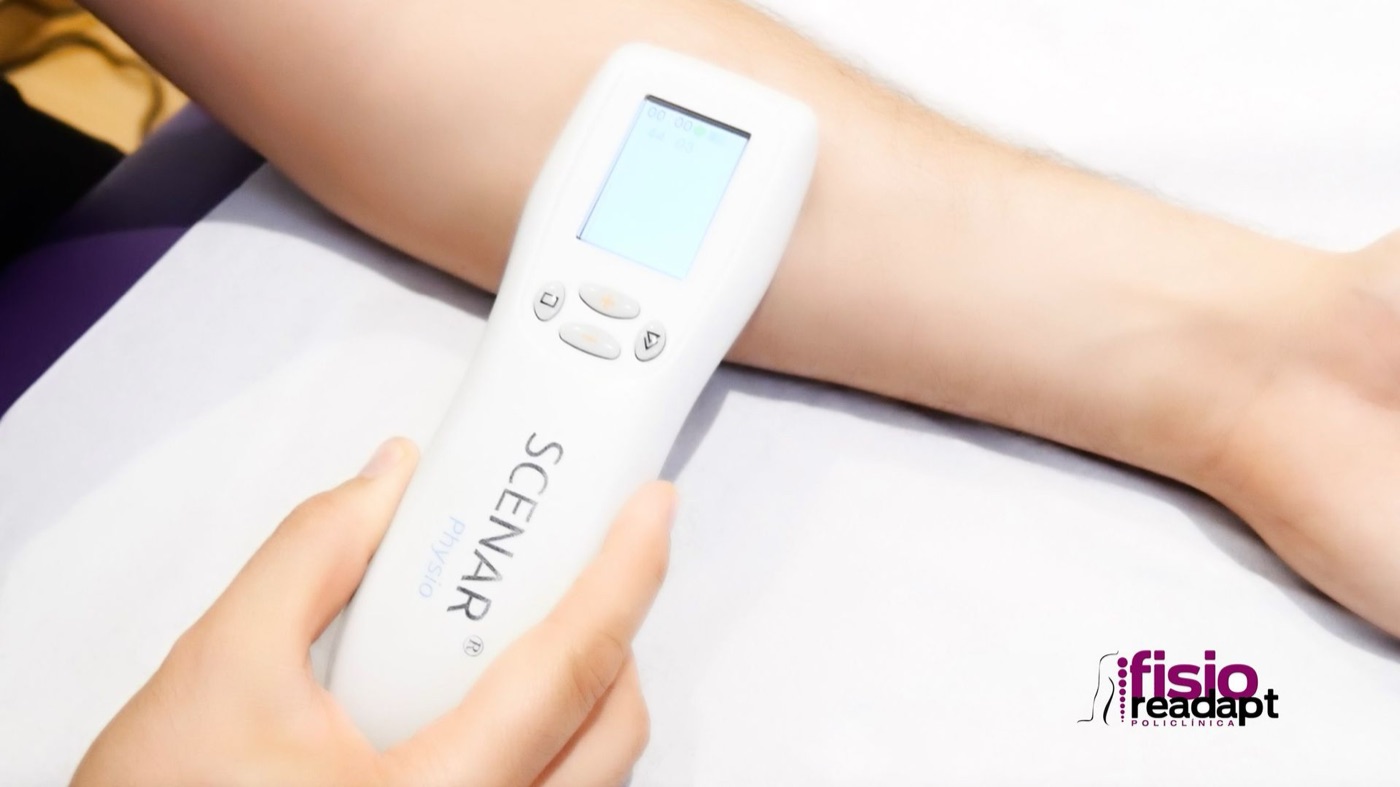
Electrical stimulation on the skin that adapts to the tissue response. We use it as a complement to modulate pain in muscle and joint injuries. It is painless and non-invasive.
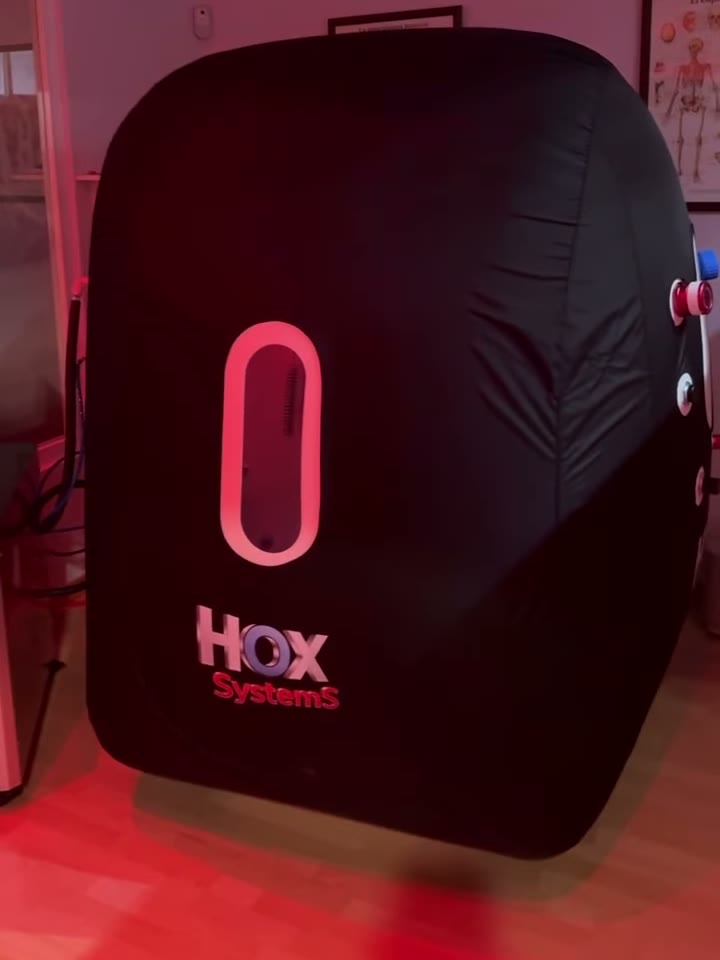
A soft, low-pressure chamber (HOX ONE+, 1.2-1.4 ATA) where you breathe concentrated oxygen while sitting comfortably. We use it to support recovery from injuries and exertion, alongside physiotherapy and exercise.
We choose each technique according to your injury and your assessment. None of them works on its own or the same for everyone: they are part of a plan that almost always includes exercise, and we explain what to expect before we start.
Tell us what is going on and we will book you in with the team member best placed to help.